Your Car Won't Start and the Starter Motor Is Probably Why
What the Starter Motor Actually Does
Most people never think about their starter motor until the morning they turn the key and nothing happens. That cylindrical assembly bolted to the side of your engine block is easy to overlook, but without it, your car isn't going anywhere. The starter is an electric motor that draws power from your battery and spins the engine over fast enough to get combustion going. Once the engine fires and runs on its own, the starter disengages and sits there doing nothing until the next time you crank the car.
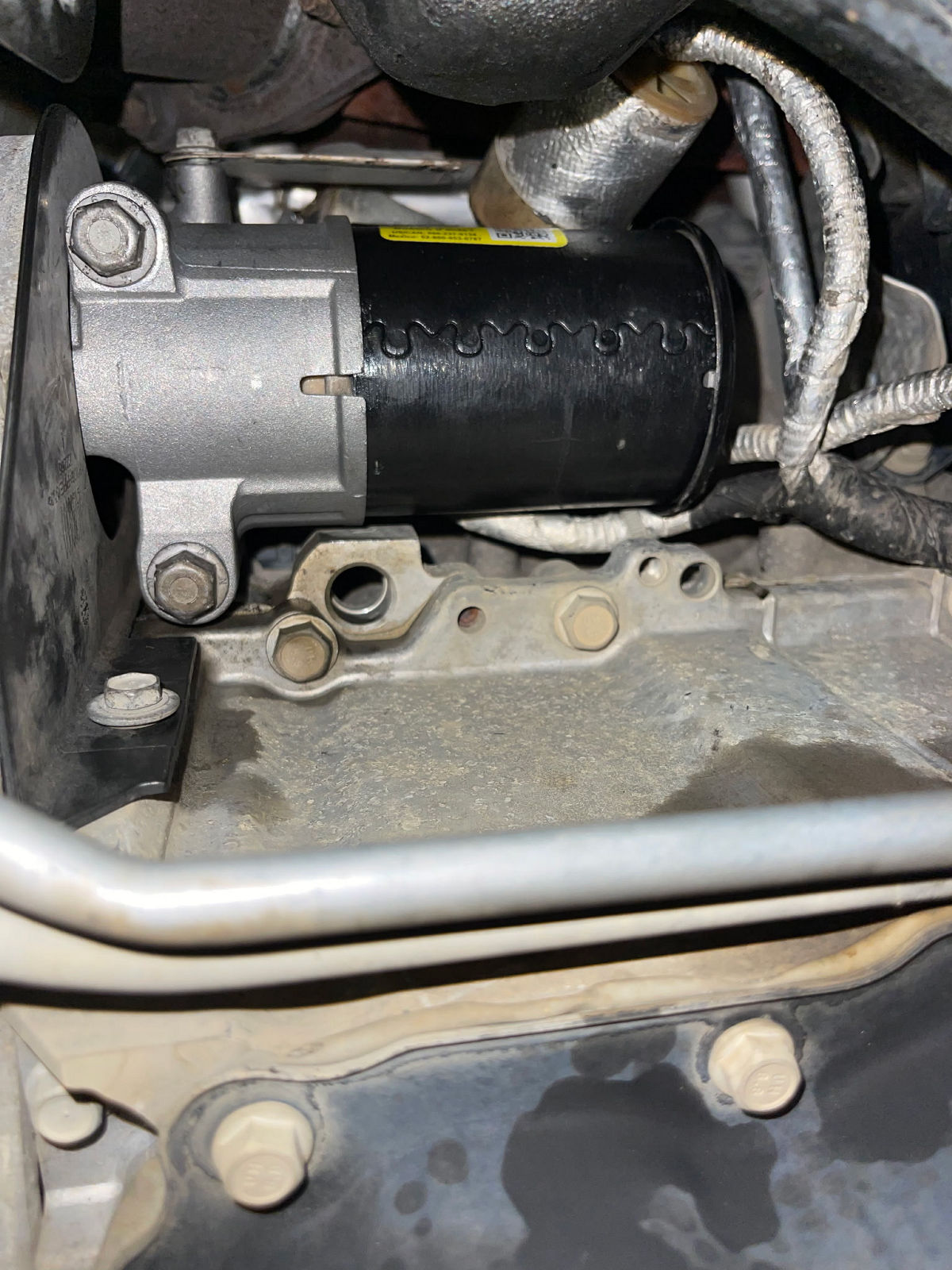
That repeated cycle of high-current draw, mechanical engagement, and heat buildup is what eventually wears a starter out. It's not a matter of if, it's a matter of when.
How to Tell Your Starter Is Failing
The Click Sound
A single loud click when you turn the key is one of the most recognizable signs. The solenoid inside the starter is trying to engage but the motor isn't spinning. Sometimes people confuse this with a dead battery, and that's a fair guess, but there's a difference. A dead battery usually gives you rapid clicking or a sluggish crank before it quits. A bad starter tends to click once and go silent.
Intermittent Starting
This one is frustrating because the car starts fine all week and then one morning it just sits there. You wait a few minutes, try again, and it cranks right up. That inconsistency is a classic sign of a starter motor that's on its way out. The internal components are wearing unevenly, and sometimes they land in a spot that makes contact and sometimes they don't.
Grinding or Whirring
If you hear a grinding noise when you crank the engine, the starter's drive gear may not be meshing properly with the flywheel. That's a problem you want to address quickly, because a worn flywheel is a much more expensive repair than the starter itself. A whirring sound without the engine turning over usually means the starter is spinning but not engaging at all.
Slow Cranking
When the engine turns over slower than usual, almost like it's laboring to get started, the starter motor may be drawing too much current or losing efficiency. This can also point to a battery issue, which is why proper diagnosis matters before you start replacing parts.
What Starter Replacement Actually Looks Like
The photo here shows a starter being fitted directly against the engine block, with the mounting bolts and brackets holding it in position. That physical connection is critical. The starter has to be aligned precisely so its drive gear can engage the flywheel teeth cleanly. A starter that's even slightly misaligned will grind, fail to engage, or wear out prematurely.
On most vehicles, the starter is accessible from underneath or from the side of the engine. The job involves disconnecting the battery first, removing the electrical connections from the solenoid, unbolting the old unit, and fitting the replacement. Torque specs matter here. Too loose and the starter shifts. Too tight and you risk cracking the housing or stripping threads in the block.
Some vehicles make this straightforward. Others, especially certain front-wheel-drive cars with transverse-mounted engines, require removing other components just to get clear access. Labor time varies a lot depending on the make and model.
Why People Get This Wrong
The biggest mistake is replacing the battery when the starter is actually the problem. Batteries and starters share symptoms, and a lot of parts stores will test your battery for free and tell you it's fine, but they can't test your starter while it's still in the car. That's where a proper diagnostic makes a difference.
The second mistake is ignoring the symptoms until the car won't start at all. A failing starter rarely gives you a lot of warning. When it goes, it goes. If you're noticing intermittent starting issues or that single-click symptom, getting it looked at before you're stranded is worth the effort.
Getting Help Without a Tow Truck
If your car won't start, calling a tow truck and waiting at a shop isn't your only option. The team at DFW Mobile Auto Mechanic Pros comes to wherever the vehicle is, whether that's your driveway in Fort Worth, a parking lot in Arlington, or your workplace across the metroplex. They've been doing this since 2012, and starter replacement is one of those jobs that translates well to mobile work since the car isn't going anywhere anyway.
If you're dealing with a no-start situation or you're noticing symptoms that sound like what's described here, give them a call at (817) 966-0057. They're available 24 hours and can usually give you a straight answer about what's going on before any work begins.
Find us on Google · More mobile mechanic tips Call (817) 966-0057 anytime.
DFW Mobile Auto Mechanic Pros - mobile mechanic serving Fort Worth, TX. (817) 966-0057.


Comments
Post a Comment